
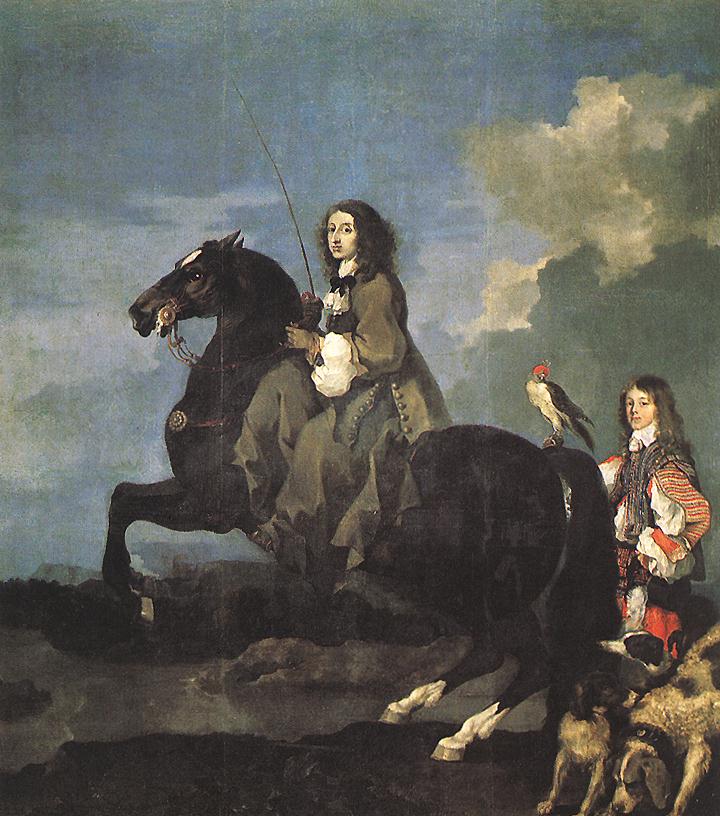

Do you like queens with a strong personality? A love of the arts? A bit of a potty mouth? Then boy do I have a queen for you!
Veronica Buckley’s biography of Queen Christina of Sweden (b. December 18th, 1626- d. April 19th, 1689) follows Christina from birth to death and down all the avenues of her life in between.

This book is 322 pages long, not including the notes, bibliography, and additional questions for a book club meeting (I’m assuming). In those 322 pages, Buckley richly recreates Christina’s world for the reader with explanations of where she lived, the people around her, and the politics taking place at the time.
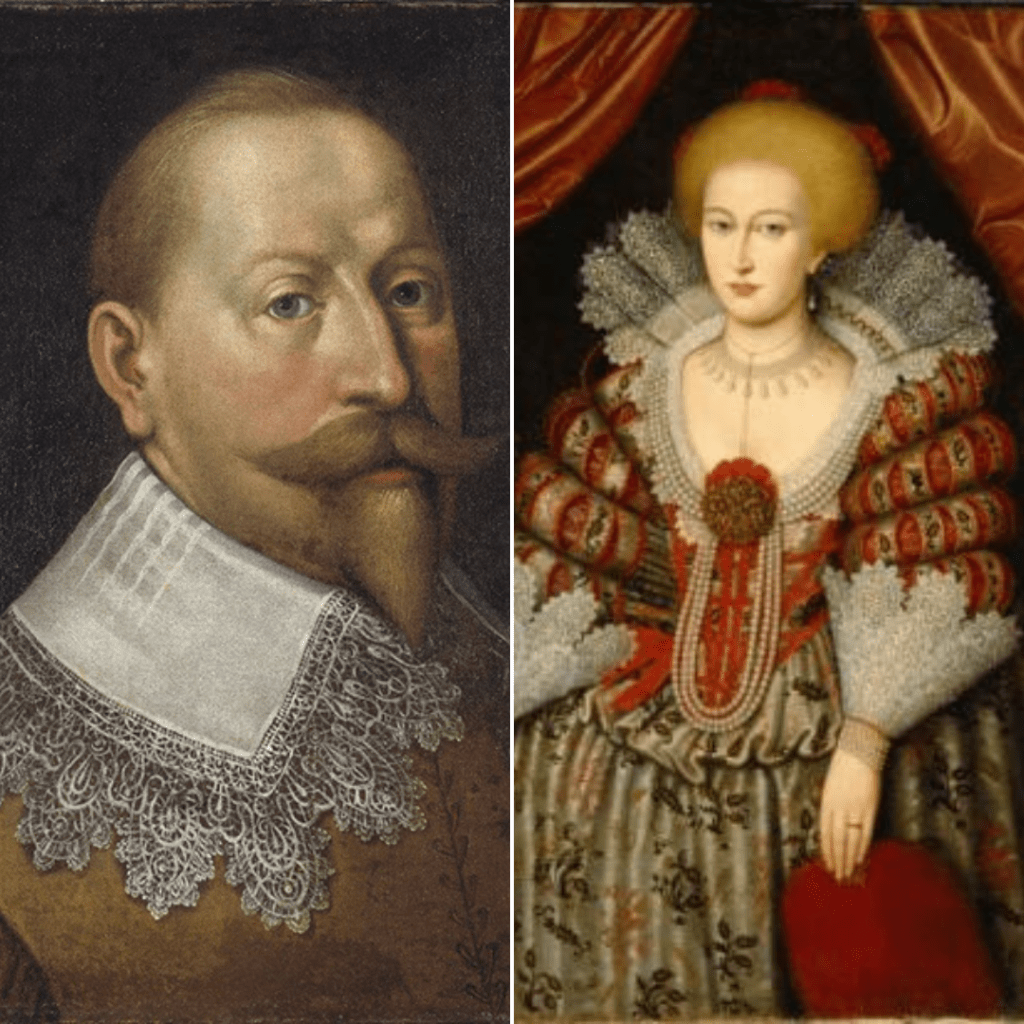
The book doesn’t even begin with Christina; Buckley goes back to Christina’s esteemed father, Gustaf II Adolf of Sweden, who was a leading figure in putting Sweden on the map as a European power. It really gives a sense of who her father was and what big shoes Christina had to fill. As well, it gives a rather unsympathetic look at Christina’s mother, Maria Eleonora of Brandenburg and how their parenting (or lack thereof), resulted in the Christina that came to rule Sweden. It’s good to have a solid background for the person you are reading about. That context really helped show what Sweden was going through at the time of Christina’s birth and childhood.
Christina was a lively character, often dressing in what was considered to be men’s clothing and expressing unfeminine behaviour. In fact, Christina greatly disliked women, writing that women were not fit to rule (despite having ruled Sweden herself, abdicating, and then attempting to sit on a few more thrones around Europe), writing “the defect of being female is the greatest defect of all”.
A lot is made in the book about Christina’s sexuality and even her physical make up. The book includes several quotes from many different people throughout Christina’s life that describe her dress, voice, and manner of speech. There was a great emphasis on this aspect of her life, and I understand why that unconventional element of her is interesting to some. For me, it did seem to be harped on a bit too much in the book. I got the message after the first two quotes and descriptions of her. There were far more interesting details about Christina to focus on.
She was intelligent and interested in the world around her, but found that Sweden was boring and drab compared to cities like Paris and Rome. She was a definite Francophile, especially early in life. As this would often clash with Sweden’s position in politics and on the battle fields, I appreciated that Buckley very clearly kept the minor details off the pages. Many historical biographies get bogged down with the details about things that truly make no difference in the end, but Buckley kept things clear and to the point. I didn’t find myself confused or having to Google anything for clarification, which was a plus.
I have a few positives and negatives for this book. Christina was a person that, as Buckley puts it, “dabbled” in everything.
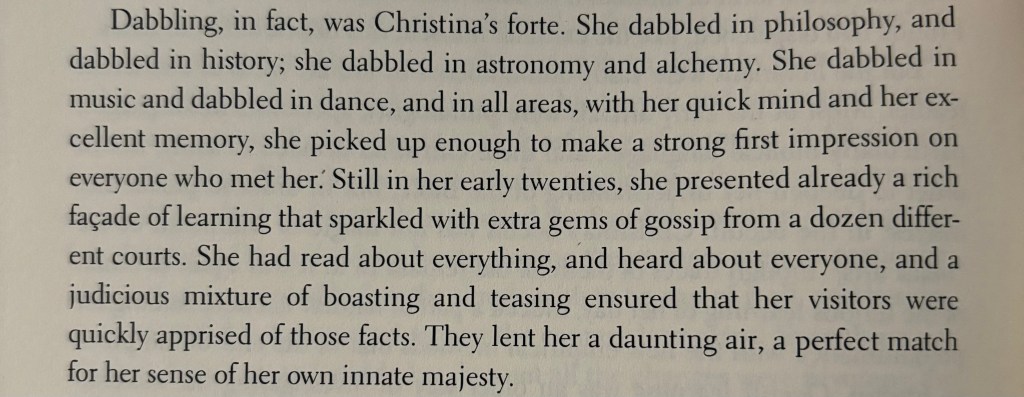
Christina flouted from one interest to the next, and Buckley easily followed her. It could have become a convoluted mess but it didn’t. The book flows chronologically, focusing on events as they happened, rather than mentioning an event that hadn’t happened yet at that point in the timeline of the person’s life. However, I would have appreciated more dates being used. Throughout the book, it was hard to know if things happened months apart, days, or even years. For all I knew, Christina could have done a whole lot by the time she turned 30 because there weren’t many actual years mentioned. I like having dates and years to anchor myself when reading and it would have been helpful here.
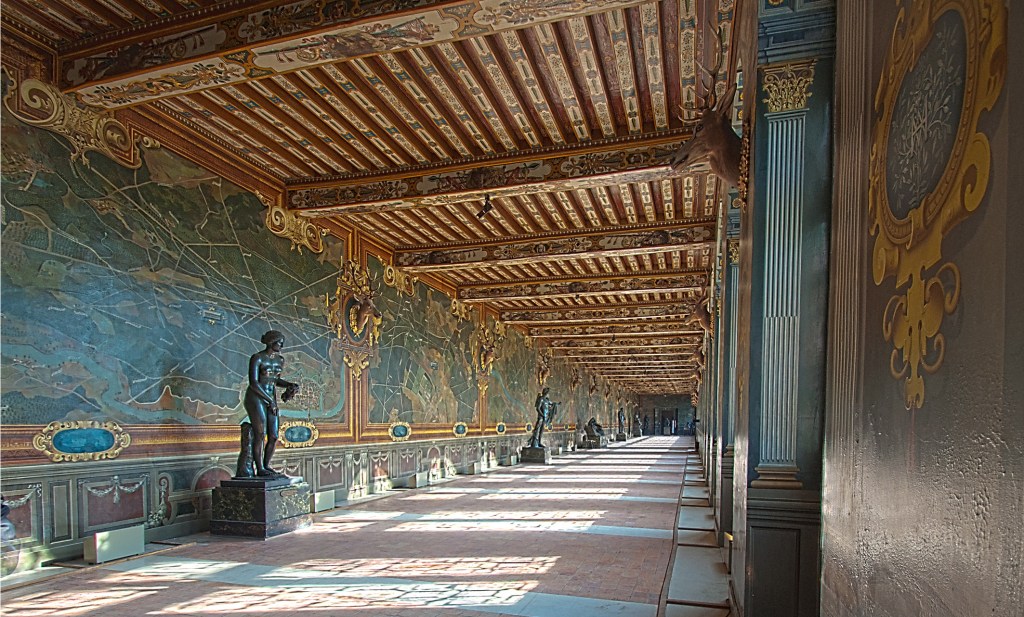
My biggest praise for Buckley comes for the chapter titled Fontainebleau, where arguably the biggest smear on Christina’s legacy occurs, when she ordered the death of Gian Rinaldo Monaldeschi in the Galerie de Cerfs of the Palace of Fontainebleau on the belief that he had betrayed her loyalty. It was an intense bit of writing; Buckley did a fantastic job at capturing the moment and just how strongly the repercussions were for Christina. If Buckley wanted to write a thriller novel, I’d read it.
There were no excuses for Christina, at any point in her life. Buckley holds her accountable for issuing murders, her reckless spending, her incompetence at leading and ruling, and the way she treated people around her. This was not a character study written with rose tinted glasses; Buckley tells it like it is (or was, rather). There were times in fact, when I thought perhaps she was being a bit harsh on the young queen, especially in her early years, but I definitely appreciated the honesty and straightforward nature of the writing.
As far as historical biographies go, this was by far the most enjoyable one I’ve read so far. I have a hard time reading about royals from this time period as I find it hard to connect with them through writing and portraits. Buckley really brought the last Vasa queen to life again, 334 years after her death.
So what would I rate Christina, Queen of Sweden? 4/5 stars, for sure.



 The Royalty Nerd
Leave a comment